
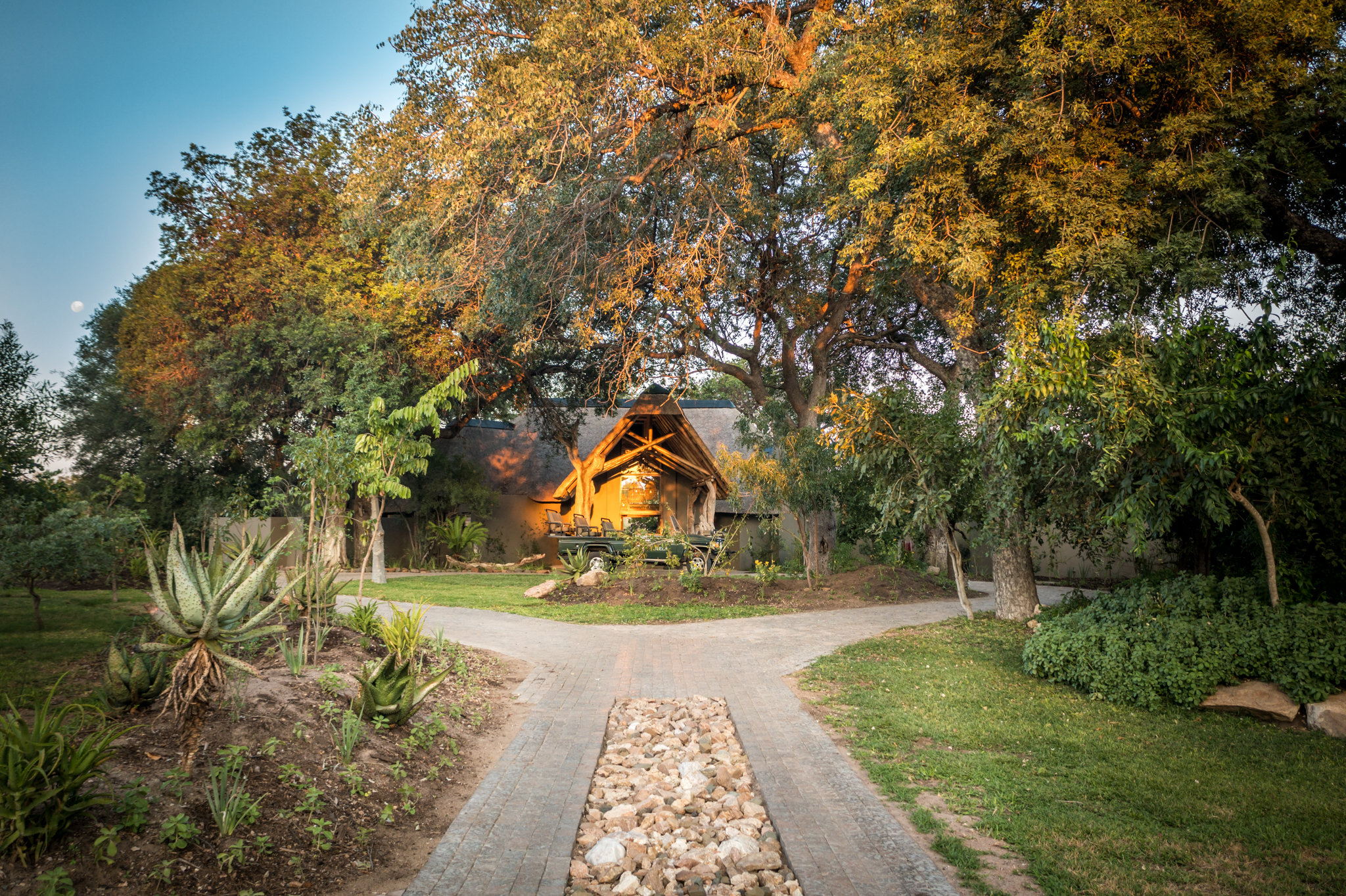
October brings new growth, flowering trees and the arrival of migratory birds to South Africa’s Greater Kruger. At Tulela Safari Lodge, these seasonal developments offer another reason to look closely at the natural environment.
For much of winter, the Klaserie Private Nature Reserve is characterised by dry grasses, sparse foliage and open views across the landscape. By October, the first indications of summer are becoming apparent. Certain trees are producing new leaves, indigenous plants are flowering and migratory birds are beginning to return. It is a fascinating time to explore the reserve, particularly for guests interested in the botanical and ecological details that can sometimes be overlooked during a safari.
The Remarkable Sausage Tree
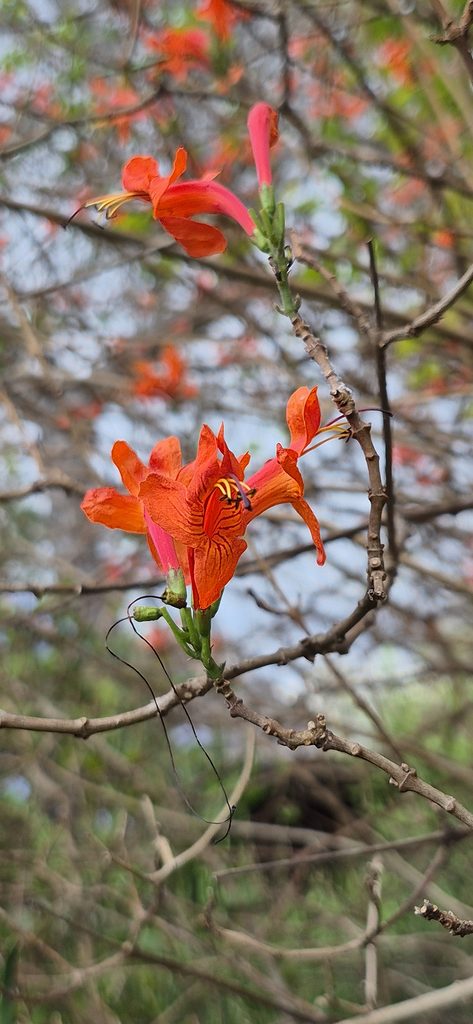
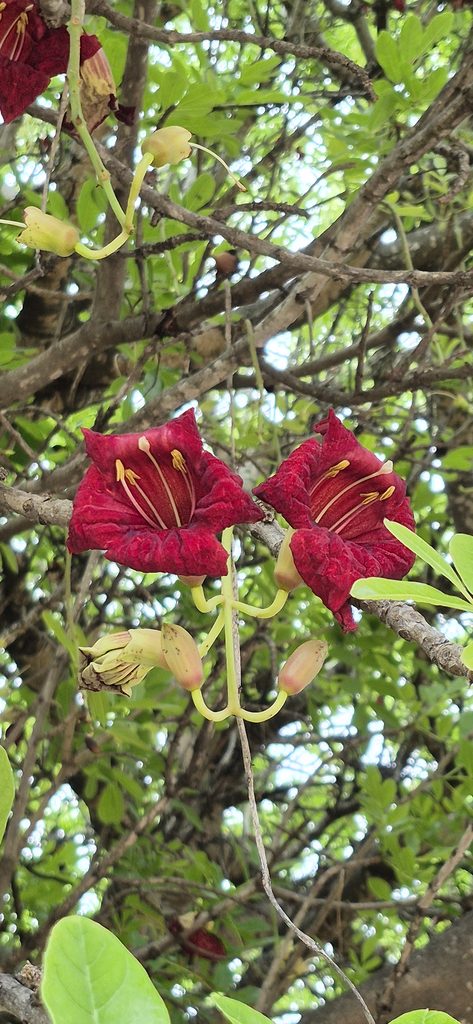
One of the more distinctive indigenous trees found in the Greater Kruger is the African sausage tree (Kigelia africana), recognised for its unusual fruit and striking flowers. During its flowering period, the tree produces large, deep-red to maroon, trumpet-shaped blooms that hang from long stalks beneath its branches. The flowers generally open in the evening and are associated with pollination by bats, although insects and other animals may also visit them. By morning, fallen flowers can often be found beneath the tree, their rich colouring standing out against the dry ground.
Following successful pollination, the tree develops the fruit from which it takes its name. These heavy, elongated structures resemble oversized sausages and can weigh several kilograms, sometimes remaining suspended from the branches for months. Beyond its unusual appearance, the sausage tree plays an important ecological role. Its flowers provide a food source for wildlife, while its spreading canopy offers shade and shelter. Certain mammals feed on the fruit, although it is generally unsuitable for human consumption in its raw form. For guests interested in the indigenous vegetation of the region, it is a particularly interesting species to encounter.
Be on the lookout for this magnificent tree when you enter the gardens at the Tulela entrance.
New Growth in the Bushveld
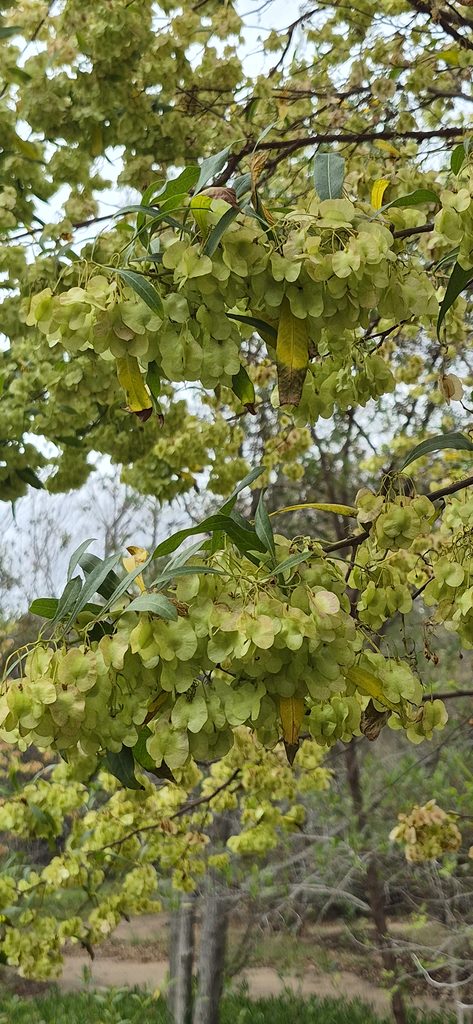
October marks an important period in the annual cycle of many Lowveld trees. Some deciduous species begin producing leaves before the first substantial rainfall, responding to seasonal cues such as increasing daylight hours and temperature, while others depend more directly on the availability of moisture. This variation means that the bushveld does not become green all at once. Individual trees respond according to their species and local conditions, creating a landscape in which fresh foliage appears alongside branches that remain bare. Young leaves can be particularly attractive, sometimes emerging in bronze, copper or reddish tones before developing their familiar green colouring.
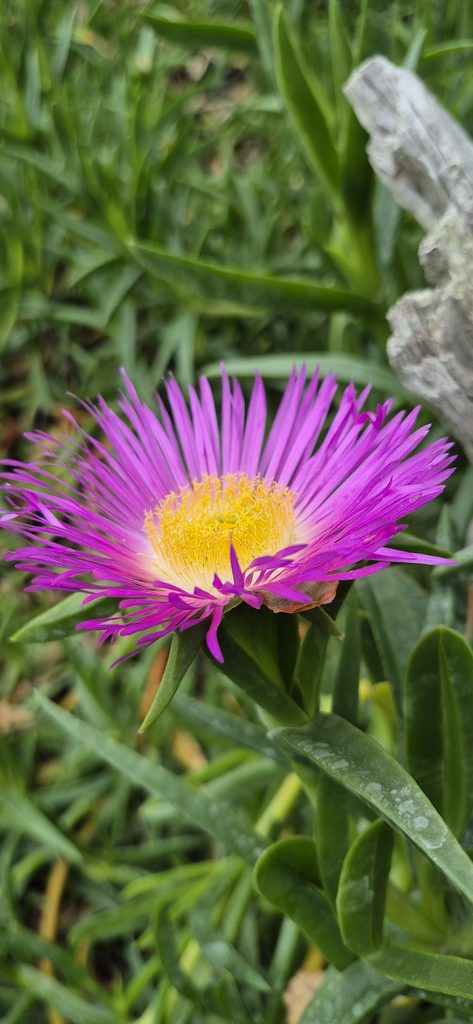
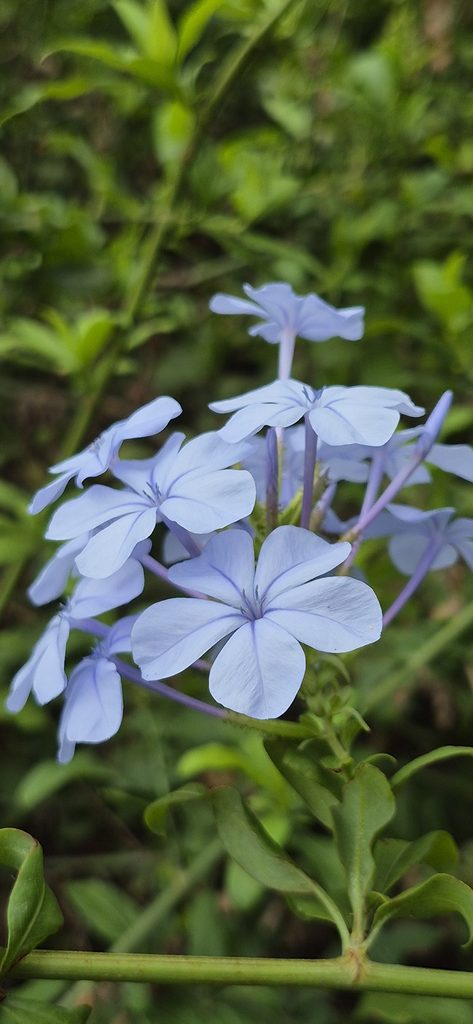
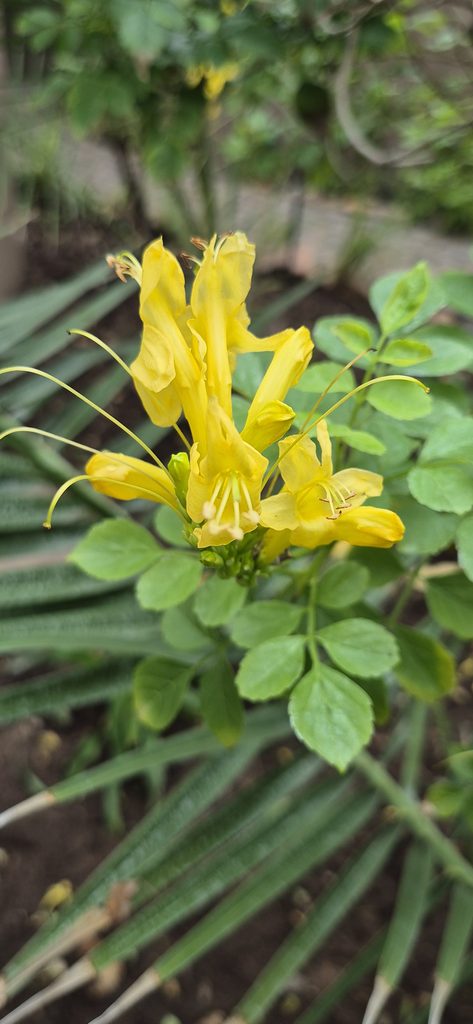
Flowering trees and shrubs also provide valuable resources for insects and nectar-feeding birds, contributing to the ecological activity associated with spring. Around Tulela’s lodges, cultivated plants such as plumbago and colourful vygies add to the seasonal display. Beyond the lodge gardens, however, it is the indigenous vegetation that provides a more revealing picture of the reserve’s natural annual cycle.
The Return of Summer Migrants
For birdwatchers, spring is one of the most interesting periods in the Greater Kruger. As conditions change across the southern hemisphere, migratory species begin arriving from their wintering grounds. Some have travelled thousands of kilometres from Europe and Asia, while others move seasonally within Africa. European bee-eaters are among the most recognisable visitors, with their bright plumage and distinctive calls. Woodland kingfishers, which spend the non-breeding season farther north in Africa, also return to southern Africa during the summer months. Several cuckoo species make their appearance during spring and early summer, adding their calls to those of the resident bird population.
The timing of these arrivals is closely connected to seasonal food availability. Increasing insect numbers provide an important resource for many migratory species, while the approaching breeding season brings additional activity. For guests exploring the Klaserie, birdwatching becomes especially rewarding as summer visitors join the species found in the reserve throughout the year.
The First Summer Rains
The Klaserie falls within South Africa’s summer rainfall region, with most precipitation generally occurring between October and March. The first substantial rains are an important ecological event, although their timing varies considerably from year to year. October may still bring prolonged dry conditions before thunderstorms become more frequent. When sufficient rain arrives, grasses begin growing, seasonal water sources replenish and the availability of food increases across the reserve.
Amphibians become more active, with frogs emerging to breed in suitable conditions. Insects increase in abundance, supporting a wide range of birds, reptiles and smaller mammals. For larger herbivores, the availability of fresh grazing and browsing influences feeding patterns and movements. These developments also affect predators, whose activities are closely connected to the distribution of their prey. The result is a period of considerable ecological activity, with rainfall influencing almost every aspect of life in the reserve.
A Different Perspective on Safari
At Tulela Safari Lodge, the private nature of the safari experience allows guests to spend time exploring subjects that particularly interest them. An experienced guide can introduce visitors to the indigenous trees, seasonal birdlife and smaller wildlife encounters that contribute to a fuller understanding of the Klaserie. For families, these observations can be especially rewarding, offering opportunities for children to learn about the natural relationships between plants, insects, birds and mammals.
October is an excellent reminder of the diversity of the Greater Kruger. Beyond its celebrated wildlife, the reserve offers an extraordinary variety of natural encounters, many of which are best appreciated by taking the time to look a little closer.