
A Table Under Big Jack: Bush Breakfast in the South African Wilderness
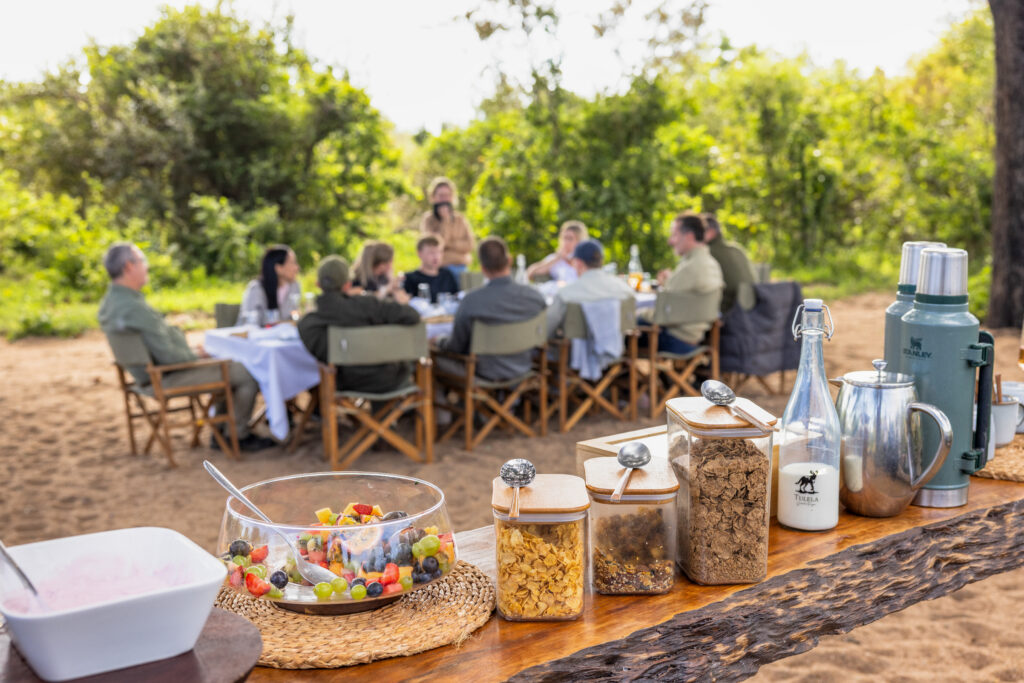
There is a particular pleasure in arriving somewhere to find that everything has already been considered. At Tulela Safari Lodge, one such place sits beneath the spreading canopy of an enormous Jackalberry tree in the Klaserie Private Nature Reserve, one of South Africa’s private wilderness areas. Known simply as Big Jack, the tree presides over a clearing overlooking the seasonal riverbed. On selected mornings, this becomes the setting for breakfast. Tables are laid in the shade. Coffee is freshly brewed, Champagne is on ice, and platters of fresh fruit and preserves are set out for the table. A generous hot breakfast follows, served from traditional cast-iron pots and enjoyed with an open view across the surrounding bush. It is relaxed and generous, with everything brought out to Big Jack and prepared for the guests staying at Tulela. It is breakfast, certainly. But at Tulela, where dining is often taken beyond the lodge, the setting is very much part of the experience. A Table Beneath the Trees The experience often follows a morning game drive. Guests leave Tulela with their private guide and tracker to explore the lodge’s 9,000-hectare traverse within the Klaserie, setting out while the temperature is cool and wildlife is active. Later in the morning, the vehicle makes its way to Big Jack, where the Tulela team is waiting. There is something particularly appealing about seeing the attention to detail of a luxury lodge translated into the middle of a private nature reserve. Linen, glassware and a beautifully prepared table are set against an entirely natural backdrop, with the rest of the morning free to enjoy it. “Some of our guests’ favourite meals are the ones we serve away from the lodge. Big Jack gives us this remarkable natural setting, and our team takes care of everything else. You can have a beautiful breakfast, watch the birds, play a game of boules and simply enjoy being out in the reserve together. It captures so much of what we want a stay at Tulela to feel like.” Johan, General Manager, Tulela Safari Lodge Keep the Binoculars Close Breakfast at Big Jack also provides an opportunity to pay attention to some of the smaller inhabitants of the Klaserie. More than 350 bird species are found in the area, and the riverine environment around Tulela supports a remarkable variety. From the breakfast table, guests can watch the canopy overhead and surrounding trees, taking the time to notice species that can easily be missed when the focus is on larger wildlife. For experienced birders, a private guide can assist with identification and spend more time on species of particular interest. For everyone else, binoculars beside a coffee cup are entirely appropriate here. And Then There Is Boules There is also room for a little competition. A set of metal boules turns the clearing into an informal playing field. The premise is simple: throw your boules as close as possible to the small target ball, or cochonnet. It requires very little introduction and is easily enjoyed across generations. Luxury safari experiences are often remembered for their headline moments: the leopard sighting, an elephant encounter, a sundowner in the bush. A morning at Big Jack leaves space for the smaller ones too. Another coffee is poured. A game becomes unexpectedly competitive. Nobody is particularly concerned about what comes next. For families and friends travelling together, that time is valuable in itself. The Luxury of Having Nowhere Else to Be As an exclusive-use lodge, Tulela has the freedom to plan each day around the group staying there. Game drives, meals and experiences do not have to conform to a shared lodge schedule. At Big Jack, that means breakfast does not need to end at a prescribed hour. If the morning drive has delivered an exceptional sighting, the table can wait. If everyone would rather stay a little longer, they can. It is a simple expression of what private safari travel can offer: thoughtful service, exceptional surroundings and the freedom to enjoy both. And for a morning, Big Jack is yours. Bush breakfasts at Big Jack can be added to your Tulela Safari Lodge stay by prior arrangement. Speak to the Tulela team when planning your stay in the Klaserie Private Nature Reserve. Email: reservations@tulela.co.za
Birdwatching Safari in the Greater Kruger: Discover the Birds of Klaserie
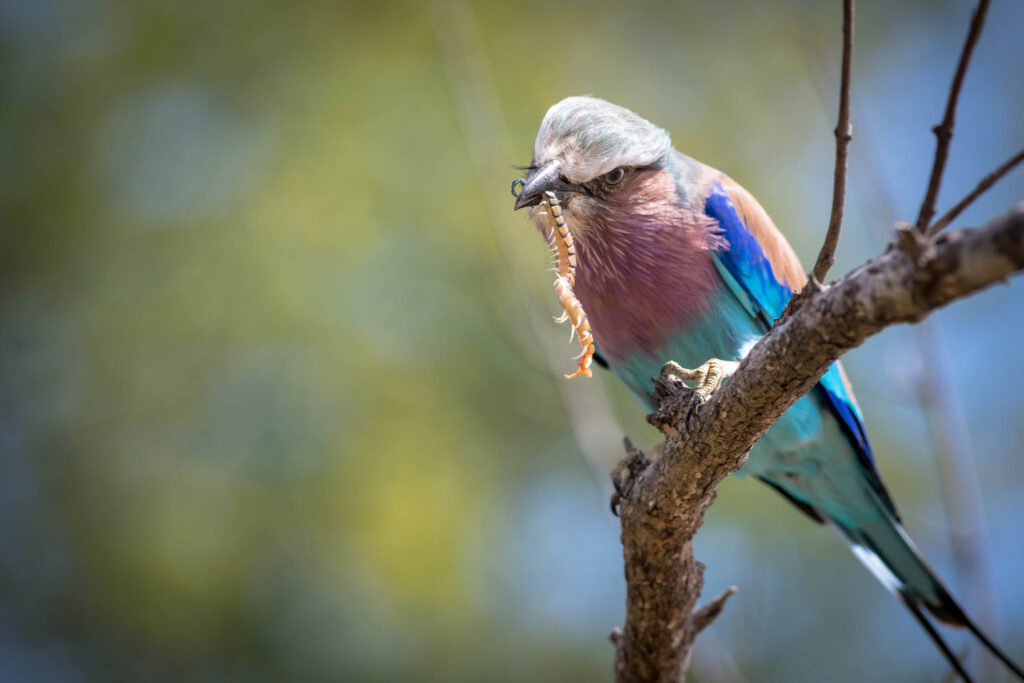
When people think of safari in the Greater Kruger region, the focus is often on the Big Five. Yet above the grasslands, along riverbeds and in the trees surrounding camp, another story plays out every day. Birdlife is one of the most dynamic parts of the Klaserie ecosystem, and understanding how migration shapes the landscape adds a deeper layer to the safari experience.A Region Rich in Birdlife The Klaserie Private Nature Reserve forms part of the Greater Kruger ecosystem, an unfenced wilderness of around 60,000 hectares that connects directly with Kruger National Park. This open landscape allows animals, including birds, to move freely across the region. Birdlife here is remarkably diverse. Across the wider Kruger region, more than 500 bird species have been recorded, representing a large proportion of the birdlife found in southern Africa. This diversity exists because the area contains several overlapping habitats. Open savanna, riverine forest, seasonal rivers and waterholes create multiple ecological niches, allowing different species to thrive. The result is that bird activity changes constantly throughout the year as species move in response to rainfall, food availability and migration cycles. At Tulela, the setting itself contributes to this experience. The lodge sits beneath mature indigenous trees on a bend in the seasonal N’tsiri River, overlooking a waterhole that regularly attracts wildlife and birdlife alike. The Role of Migration in the Bush Bird migration is one of the most fascinating natural processes affecting the Klaserie ecosystem. Every year the Greater Kruger landscape becomes part of a much larger global movement. During the summer months, typically between November and March, hundreds of migratory bird species arrive from across Africa, Europe and Asia. These birds travel thousands of kilometres to take advantage of the summer rains in southern Africa, when insect populations increase and breeding conditions improve. As a result, bird diversity in the region increases dramatically during the rainy season. But as autumn arrives and the bush begins to dry, the pattern shifts again. Many of these migratory species begin their long journeys north. By late April and May, the skies and treetops are noticeably quieter. For guests visiting during autumn and winter, this change does not mean fewer wildlife experiences. It simply means a different pattern to the birdlife around the lodge. What Happens to Birds in Autumn and Winter Autumn in the Lowveld marks the transition from the lush summer months into the dry winter season. Many migratory birds begin departing in March and April. Species such as woodland kingfishers, cuckoos and bee-eaters head north again, following seasonal food cycles across the African continent. This departure reduces the overall number of bird species present in the region. However, what remains is a strong community of resident birds that live in the Klaserie year-round. These include many of the species visitors quickly become familiar with during a stay at Tulela: -hornbills moving between trees -drongos following game drives for insects -starlings and barbets calling from the canopy -oxpeckers riding on the backs of large mammals Why Winter Can Be Exceptional for Birdwatching Interestingly, the cooler months offer several advantages for bird enthusiasts. First, vegetation thins dramatically as the dry season progresses. Grasses die back and many trees lose their leaves, making birds easier to spot and photograph. Second, water becomes a focal point in the landscape. Seasonal pans disappear, and birds gather around permanent water sources such as rivers and lodge waterholes. A single waterhole can attract dozens of species throughout the day as birds arrive to drink, hunt or rest. Finally, winter is an excellent time to see birds of prey. The Greater Kruger region hosts an impressive range of raptors, and many become more visible during the dry season when prey is easier to detect in the open bush. Eagles, vultures and snake eagles are often seen circling overhead or perched in prominent trees scanning the landscape. Birdlife as Part of the Safari Experience For many guests, birdlife becomes an unexpected highlight of their stay. Unlike large mammals, birds often reveal themselves in small moments rather than dramatic encounters. A flash of colour on a branch. The call of a fish eagle across the river. The quiet activity around a waterhole at sunrise. Because Tulela is an exclusive-use lodge, guests experience the bush at their own pace. Game drives, bush walks and relaxed time on the deck allow plenty of opportunity to notice the details that define a living ecosystem. A Living, Changing Wilderness One of the most special aspects of staying in Klaserie is that the wilderness is never static. Animals move across the unfenced reserve, seasons reshape the vegetation and birds arrive and depart according to ancient migratory patterns. For guests at Tulela Safari Lodge, this means no two safaris are ever quite the same. Whether it is watching birds gather at the waterhole, spotting raptors scanning the open bushveld, or hearing the unmistakable call of a fish eagle across the river, these moments reveal just how rich and interconnected the Klaserie ecosystem truly is.
Night Game Drives at Tulela Safari Lodge
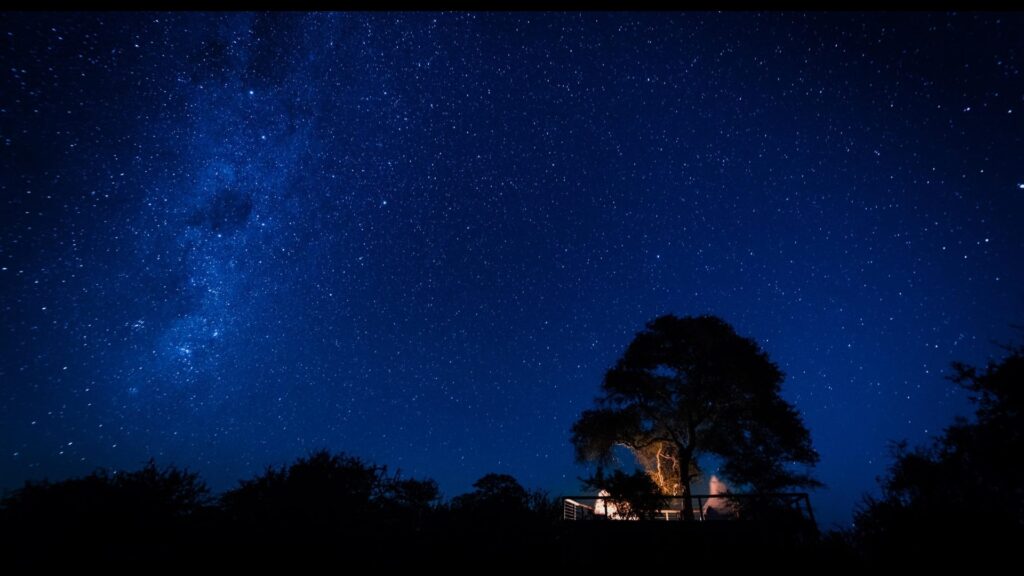
As the sun sets over the Klaserie Private Nature Reserve, wildlife activity changes. Day-active animals move into cover, temperatures drop, and nocturnal species begin to emerge. At Tulela Safari Lodge, this shift marks the start of a night game drive, one of the lodge’s signature safari experiences, alongside considered daytime game drives that explore the reserve under very different conditions. Tulela is located within an unfenced section of the Greater Kruger National Park, allowing wildlife to move freely between private reserves and Kruger National Park itself. While daytime drives offer exceptional sightings and landscape context, night drives are an important part of the safari experience here, providing insight into animal behaviour and predator movement in a low-density conservation area. How Night Game Drives Work at Tulela Night game drives at Tulela usually begin in the late afternoon and continue after dark. Jordan, our Head Guide and Assistant Manager, explains that many animals commonly seen during the day are often more active at night. Elephants feed extensively after dark, hippo leave water to graze, and both white and black rhino increase their movement as temperatures cool, particularly when moving between territories. Smaller nocturnal mammals such as genets, civets, porcupines, bushbabies, springhares, and bushpigs may also be encountered as they forage or cross open areas. Rather than focusing on species lists, night drives at Tulela concentrate on movement and tracking. Guests learn to read tracks in the road, identify fresh spoor, and understand why animals move through certain areas after dark. Roads often function as natural game paths, offering easier movement through dense bush. Sound plays a key role, with lion calls, hyena vocalisations, and movement through vegetation often indicating nearby activity. Several owl species, including giant eagle owls, scops owls, and pearl-spotted owlets, are frequently active around camp and waterholes at night. Invertebrates such as scorpions, solifuges, and bark spiders are also more visible after dark, contributing to the nocturnal wildlife experience. A Low-Density Safari Experience in Klaserie The Klaserie Private Nature Reserve follows a low-density tourism model, which has a direct impact on night safaris. With fewer vehicles operating after dark, sightings are unhurried and guides are able to spend time observing animals without pressure to move on. As an exclusive-use safari lodge, Tulela tailors each night drive to the interests of the group. This may include tracking predators, focusing on nocturnal species, or spending time near water sources. There is no fixed route, allowing guides to respond to real-time activity rather than follow a set programme. The Role of Rangers and Trackers Night game drives require experience and coordination. At Tulela, drives are led by skilled rangers with in-depth knowledge of animal behaviour and territory patterns. Trackers assist by scanning roads and surrounding bush for fresh spoor, subtle movement, and signs of recent crossings. Clear communication between ranger and tracker ensures sightings are managed safely and responsibly. Sleeping on the Star Deck at Tulela Safari Lodge Guests wishing to extend their night-time safari can choose to sleep on the Star Deck at Tulela Safari Lodge. This elevated outdoor platform allows guests to spend the night under open skies while remaining within the secure lodge environment. Comfortable bedding, mosquito protection, and staff support are provided throughout the night. From the deck, guests experience the sounds of the bush, including distant lion calls, hyenas moving through the reserve, and the constant presence of nocturnal birdlife and insects. Unlike tented accommodation, the Star Deck offers unobstructed views of the night sky and surrounding bush. There is no artificial lighting or staged experience, allowing guests to experience how active the reserve remains after dark. A Complete Safari Experience Experiencing the reserve at night adds depth to a safari, revealing different species, behaviours, and movement patterns that shape life in the Greater Kruger area. At Tulela Safari Lodge, night game drives and overnight stays on the Star Deck extend the safari beyond daylight hours, offering a more complete understanding of the Klaserie and its wildlife. Book your stay