
A Wilderness Preparing for Summer
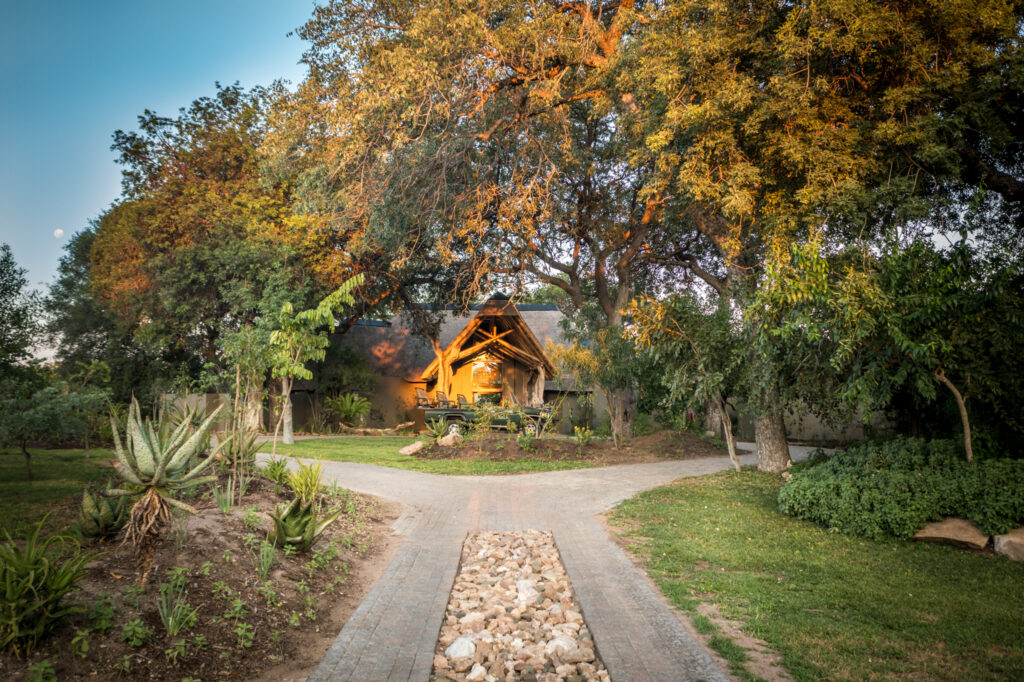
October brings new growth, flowering trees and the arrival of migratory birds to South Africa’s Greater Kruger. At Tulela Safari Lodge, these seasonal developments offer another reason to look closely at the natural environment. For much of winter, the Klaserie Private Nature Reserve is characterised by dry grasses, sparse foliage and open views across the landscape. By October, the first indications of summer are becoming apparent. Certain trees are producing new leaves, indigenous plants are flowering and migratory birds are beginning to return. It is a fascinating time to explore the reserve, particularly for guests interested in the botanical and ecological details that can sometimes be overlooked during a safari. The Remarkable Sausage Tree One of the more distinctive indigenous trees found in the Greater Kruger is the African sausage tree (Kigelia africana), recognised for its unusual fruit and striking flowers. During its flowering period, the tree produces large, deep-red to maroon, trumpet-shaped blooms that hang from long stalks beneath its branches. The flowers generally open in the evening and are associated with pollination by bats, although insects and other animals may also visit them. By morning, fallen flowers can often be found beneath the tree, their rich colouring standing out against the dry ground. Following successful pollination, the tree develops the fruit from which it takes its name. These heavy, elongated structures resemble oversized sausages and can weigh several kilograms, sometimes remaining suspended from the branches for months. Beyond its unusual appearance, the sausage tree plays an important ecological role. Its flowers provide a food source for wildlife, while its spreading canopy offers shade and shelter. Certain mammals feed on the fruit, although it is generally unsuitable for human consumption in its raw form. For guests interested in the indigenous vegetation of the region, it is a particularly interesting species to encounter. Be on the lookout for this magnificent tree when you enter the gardens at the Tulela entrance. New Growth in the Bushveld October marks an important period in the annual cycle of many Lowveld trees. Some deciduous species begin producing leaves before the first substantial rainfall, responding to seasonal cues such as increasing daylight hours and temperature, while others depend more directly on the availability of moisture. This variation means that the bushveld does not become green all at once. Individual trees respond according to their species and local conditions, creating a landscape in which fresh foliage appears alongside branches that remain bare. Young leaves can be particularly attractive, sometimes emerging in bronze, copper or reddish tones before developing their familiar green colouring. Flowering trees and shrubs also provide valuable resources for insects and nectar-feeding birds, contributing to the ecological activity associated with spring. Around Tulela’s lodges, cultivated plants such as plumbago and colourful vygies add to the seasonal display. Beyond the lodge gardens, however, it is the indigenous vegetation that provides a more revealing picture of the reserve’s natural annual cycle. The Return of Summer Migrants For birdwatchers, spring is one of the most interesting periods in the Greater Kruger. As conditions change across the southern hemisphere, migratory species begin arriving from their wintering grounds. Some have travelled thousands of kilometres from Europe and Asia, while others move seasonally within Africa. European bee-eaters are among the most recognisable visitors, with their bright plumage and distinctive calls. Woodland kingfishers, which spend the non-breeding season farther north in Africa, also return to southern Africa during the summer months. Several cuckoo species make their appearance during spring and early summer, adding their calls to those of the resident bird population. The timing of these arrivals is closely connected to seasonal food availability. Increasing insect numbers provide an important resource for many migratory species, while the approaching breeding season brings additional activity. For guests exploring the Klaserie, birdwatching becomes especially rewarding as summer visitors join the species found in the reserve throughout the year. The First Summer Rains The Klaserie falls within South Africa’s summer rainfall region, with most precipitation generally occurring between October and March. The first substantial rains are an important ecological event, although their timing varies considerably from year to year. October may still bring prolonged dry conditions before thunderstorms become more frequent. When sufficient rain arrives, grasses begin growing, seasonal water sources replenish and the availability of food increases across the reserve. Amphibians become more active, with frogs emerging to breed in suitable conditions. Insects increase in abundance, supporting a wide range of birds, reptiles and smaller mammals. For larger herbivores, the availability of fresh grazing and browsing influences feeding patterns and movements. These developments also affect predators, whose activities are closely connected to the distribution of their prey. The result is a period of considerable ecological activity, with rainfall influencing almost every aspect of life in the reserve. A Different Perspective on Safari At Tulela Safari Lodge, the private nature of the safari experience allows guests to spend time exploring subjects that particularly interest them. An experienced guide can introduce visitors to the indigenous trees, seasonal birdlife and smaller wildlife encounters that contribute to a fuller understanding of the Klaserie. For families, these observations can be especially rewarding, offering opportunities for children to learn about the natural relationships between plants, insects, birds and mammals. October is an excellent reminder of the diversity of the Greater Kruger. Beyond its celebrated wildlife, the reserve offers an extraordinary variety of natural encounters, many of which are best appreciated by taking the time to look a little closer.
Tulela Safari Lodge: The Emerald Season
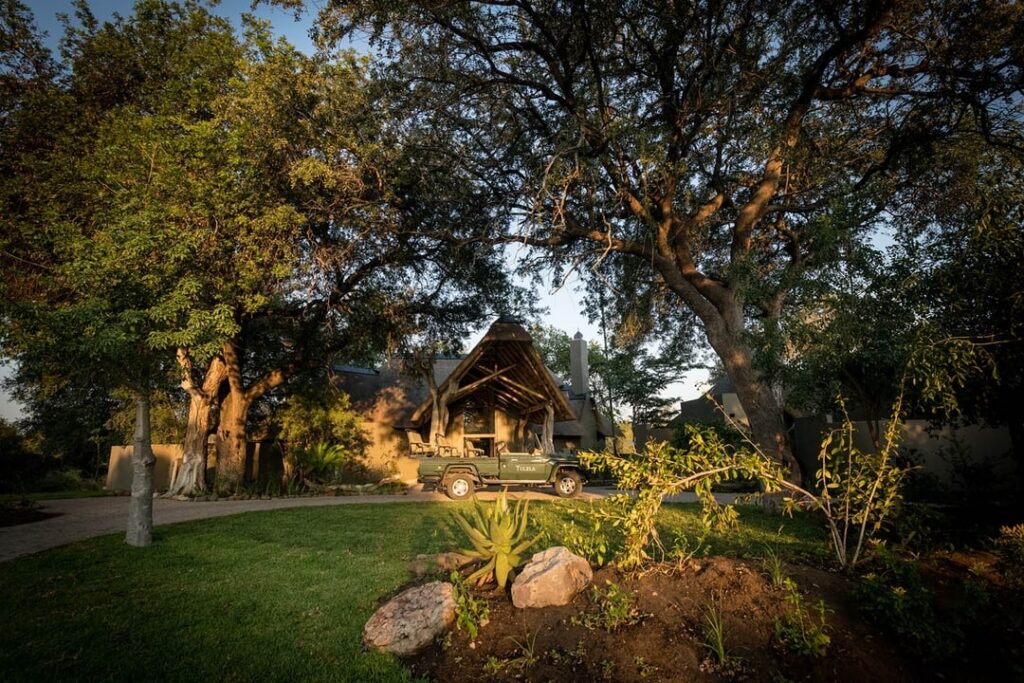
There’s a moment in the Lowveld when everything changes. One day the bushveld still holds the soft golds and browns of winter, and the next, almost overnight, the world bursts into green. This is the Emerald Season at Tulela Safari Lodge, where summer’s first rains breathe life back into the land and the African bush transforms into something altogether different: lush, vibrant, and pulsing with new energy. The air feels alive. Cicadas hum so loudly you can almost feel the vibration in your chest. The scent of wet earth rises, and sunlight filters through new leaves, painting patterns on the decks and poolsides of the lodge. It’s a sensory kind of magic. The Return of Life After the first good rains, everything changes quickly. The dry grasses have given way to green, and the trees have exploded in leaf. Jordan, one of Tulela’s experienced guides, calls it “the classic sound and colour of summer”, migrant birds are returning and the bush is teeming with movement. The European bee-eaters have arrived at the lodge, flashes of turquoise and orange against the fresh green canopy. Wahlberg’s eagles circle overhead, calling out in pairs, staking their nesting spots. Down at the lodge’s waterhole, the daily rhythm has picked up pace. Elephants, their skin slick with mud, visit often to cool down in the midday heat. Buffalo take their turn after dark, the night air filled with grunts and splashes. For the guests who gather quietly on the viewing deck at the main lodge with a cold drink in hand, it’s theatre in real time. A Season of Expectation Summer is also the season of birth. The impala herds, sleek and alert, are ready to drop their young, a synchronised natural event. With that comes a rise in predator activity. The leopards, always Tulela’s quiet icons, are thriving. Jordan mentions one of the big local males who has been seen mating with a known female. “It’s a great sign,” he says, grinning, “there might be cubs on the way.” It’s a reminder that the Emerald Season is nature at its most dynamic: birth, growth, survival. Everything is moving, changing, beginning again. Why the Emerald Season Belongs to You If you’ve only ever visited the bush in the dry winter months, the Emerald Season is something you owe yourself to experience. It’s not about dramatic storms or endless rain. The showers are often short, powerful bursts that cool the air. Within minutes the sun returns. The light is sharper and the wildlife stands out in vivid contrast against the green. And then there’s the space. Fewer guests mean more solitude, more moments where it feels like the wilderness is yours alone. Final Thoughts Tulela Safari Lodge invites you to see it all for yourself. Come for the green, for the warmth, for the easy summer days by the pool. Come to be a part of something beautiful. Because here, in the heart of the Lowveld, life doesn’t slow down in summer. It flourishes.
Spring at Tulela: Elephants, Open Landscapes & Flowering Trees
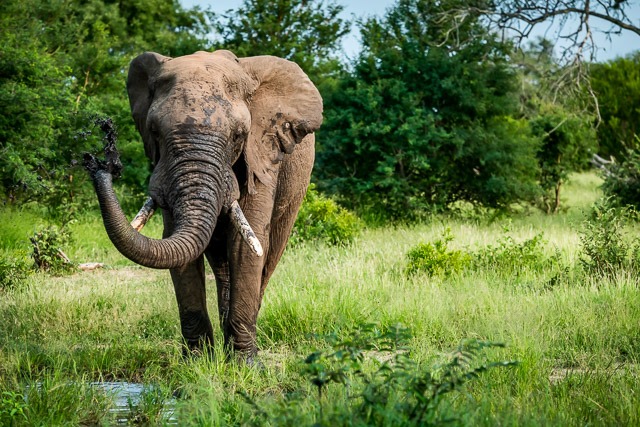
As we move through late spring at Tulela, the bush is dry, warm, and full of subtle seasonal changes. It’s a time of open landscapes, flowering trees, and clear visibility, making for interesting and rewarding game drives. Water sources are busy, the air is heating up, and sightings have been strong both at the lodge and out in the reserve. Jordan’s Journal In this month’s update from Jordan, our Head Field Guide and Assistant Manager, he shares what he’s seeing as the bush responds to spring: “A lot of the trees have started flowering,” he says. “Some of the most edible and favoured trees are flowering now in early spring. That’s the knob thorn, Senegalia nigrescens, a favourite for giraffes and kudu. And the flowers are now being pollinated, so the veld is dotted with these beautiful trees.” Jordan also points out the longtail cassia,“numanyama”, a word meaning “meat” in the local language, because the long pods hanging from the branches resemble cured strips of meat. “It’s a nice shady tree when it’s flowering,” he says. This kind of seasonal change in tree life is more than aesthetic, it reflects the bush’s ongoing cycle and reveals layers of cultural history as well. Elephants at the Water: Daily Action at Duna Dam With the dry season still holding, many animals are staying close to water, especially elephants, which have been spending long hours at Ndhuna Dam and the waterhole situated in front of Tulela lodge. We’ve had multiple days of herds coming in to drink, splash, and even swim. These aren’t rushed moments, they’re extended, relaxed visits that guests can watch from the Tulela Lodge deck, pool, or central living area. For many travellers, it’s a highlight of the trip to see elephants this close, with no need to head out on drive. Open Bush, Clear Sightings One of the advantages of this time of year is visibility. The grass is still short, the trees haven’t fully leafed out, and water activity is predictable, all of which make for stronger, more consistent sightings. Guides and trackers have a clearer view for identifying tracks and animal movement, and guests often get longer viewing windows before animals disappear into thicker bushes. For those interested in photography or learning more about how the bush “works,” this season gives you time and space to observe. Holding for Rain While a few clouds have rolled in, the rains haven’t arrived yet. That means we’re still in the final stretch of the dry season, when things are warm, dusty, and dynamic. This in-between phase brings a quiet tension to the bush, not quite summer, but definitely not winter. When the first rains do arrive, the landscape will shift quickly. But for now, the reserve remains open and exposed, offering a different kind of beauty and pace. Spring Safari Special: 10% Off October & November 2025 If you’re planning an exclusive-use safari for later this year, Tulela is offering 10% off when you book and stay in October and November 2025. It’s a great time to visit: fewer vehicles in the reserve, strong visibility, and some of the best chances to watch wildlife gathering at water. Whether you’re planning a family trip, group getaway, or private photographic safari, this is a rare chance to enjoy the lodge, and the bush, on your own terms. Contact us at reservations@tulela.co.za or click on the link Spring Special 2025 to book your stay!
Guided by Nature, Grounded in Expertise: Meet Jordan Jacobson of Tulela
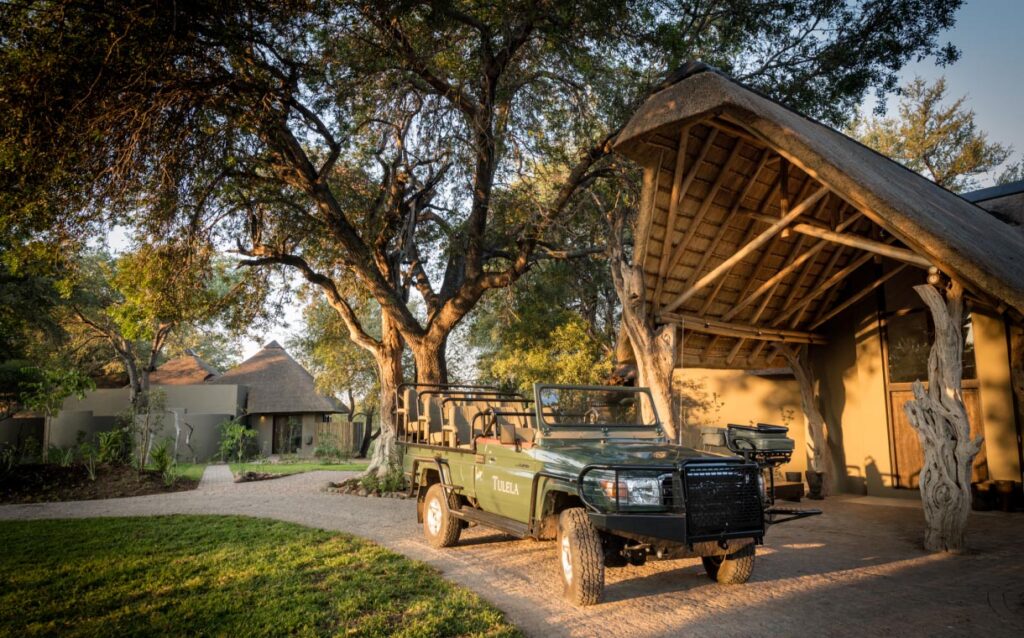
At Tulela, our private safari experience is shaped not only by the wilderness but by the individuals who help interpret it. Among them is Jordan Jacobson, Head Guide and Assistant Manager. With close to two decades of experience in the bush, Jordan brings a balance of ecological insight, calm leadership, and quiet passion to every guest experience. From Family Roots to Conservation Stewardship Jordan’s path into guiding began early, influenced by a father who worked with South Africa’s national parks and later as an environmental educator. This lifelong proximity to wild spaces shaped his philosophy. “The bush started as a passion, a calling,” he reflects. “But now it’s simply part of who I am. I feel a responsibility to give back to the land and wildlife that have given me so much.” To Jordan, guiding isn’t just about wildlife sightings. “We’re interpreters for this landscape. Our role is to share, educate, and help people connect meaningfully with the wilderness,” he says. A Specialist in the Mopane Belt Tulela is situated in the northeastern sector of the Klaserie Private Nature Reserve, within a mopane belt that supports a unique ecological community. Jordan understands the nuances of this region intimately. “The mopane trees play a critical role,” he explains. “Species like elephant and buffalo depend on them for nutrients during the dry season. The vegetation also influences predator-prey dynamics, creating cover and shaping movement patterns.” Even apex predators like leopard behave differently here. “Their hunting strategies, territorial habits, and even breeding activity are adapted to this specific terrain,” Jordan notes. This ecological awareness adds context to every game drive, offering guests more than just moments of excitement, but a deeper understanding of the natural systems at play. A Winter Perspective Winter in the Lowveld often surprises guests. “As seasonal pans dry, wildlife concentrates around remaining water sources, including our waterhole right in front of the lodge,” Jordan says. “It’s a prime time for consistent sightings.” He also points to seasonal changes in flora and birdlife. “Some trees flower in winter to attract specific pollinators. Raptors, too, become easier to spot as the foliage thins.” Even rhinos exhibit fascinating seasonal behaviours. “They wallow daily, which helps manage parasites and protect their skin. It’s one of many small details that highlight how animals adapt to this environment,” he adds. Quiet Leadership, Lasting Impact As Assistant Manager, Jordan helps lead Tulela’s team, supporting conservation planning, guest logistics, and operations. His strength lies in his ability to communicate complex ecological topics with clarity and relevance. Whether he’s guiding a multi-generational family or preparing a professional photographer for a bush walk, Jordan adapts each interaction with insight and calm authority. “Our aim isn’t just to show people the bush,” he says. “It’s to help them understand what they’re seeing, the behaviour, the context, the bigger picture.” Introducing Guided by Nature: Jordan’s Journal Starting soon, Jordan will be contributing to our new content series, Guided by Nature: Jordan’s Journal. Through periodic field notes, seasonal updates, and behind-the-scenes reflections, he’ll offer a candid view into life in the bush. While updates will be shaped by the rhythms of wilderness life, each entry promises grounded, firsthand insight from one of the reserve’s most experienced voices. A Trusted Presence in the Field At a lodge defined by exclusivity and depth of experience, Jordan Jacobson sets a quiet but meaningful tone. His expertise, professionalism, and reflective approach elevate every guest journey, whether it’s a first-time safari or a return to familiar wild places. www.tulela.co.za
Changing of the seasons

As the bush transitions through the changing season, Tulela Safari Lodge is alive with subtle yet powerful signs of transformation. Though the landscape remains dry, the shift is unmistakable. The animals are on the move, driven by the search for sustenance as they roam more than usual. Unlike in the lush summer months when food is plentiful, this time of year challenges them to find nutrition. This movement has brought our guests some incredible sightings, especially of buffalo herds that sweep across the plains like living lawn mowers, grazing steadily as they go. Elephant herds have also become a familiar sight, descending daily to graze in the Mopani belts. Mopani leaves, known for retaining 40% of their nutritional value even after the tree dies, provide a vital source of sustenance during these lean times. Watching these magnificent creatures make the most of what nature offers in this season is a humbling experience. But it’s not just the animals that signal this shift. There’s a certain pressure in the air, a change that hints at what’s to come. As reptiles and tortoises begin to stir, we’re reminded that this season isn’t only about new life—it’s about the promise of rain. The croaks of frogs are growing louder, their calls forecasting the much-anticipated rains that are just weeks away. Perhaps the most visible markers of the changing season are the trees. The long-tail cassia and wild pear trees have started to bloom, their bright blossoms the first to emerge in the dry landscape. The wild pear tree, once used for wagon-making, now stands as a living testament to endurance. And when these trees bloom, we know for sure: nature’s cycle is in full swing at Tulela. In this season of transition, the bush tells a story of resilience, of life continuing despite challenges. And as we witness these changes, we are reminded of nature’s constant cycle of renewal—offering both the wildlife and those lucky enough to visit a glimpse of something truly extraordinary.